
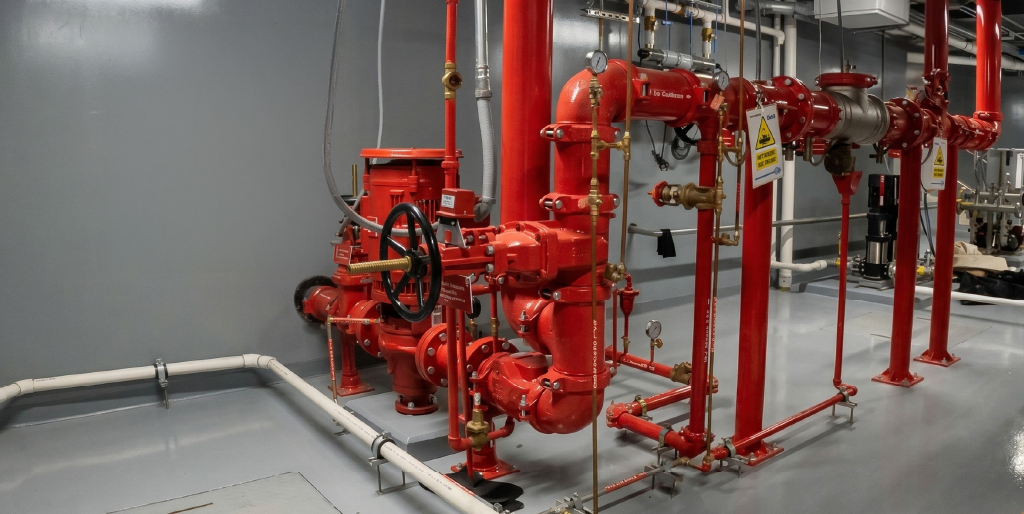
You may have a fire suppression system installed, but if it isn’t tested regularly, there is no guarantee that it will work when it matters most.
The fire pump is the critical component that ensures the operational continuity of your protection system; its failure is not an option—it is an unacceptable risk that can result in irreversible human, operational, and property losses.
Under NFPA 25 guidelines, weekly tests are not a recommendation: they are an essential technical requirement to ensure the system’s reliability under real emergency conditions.
1. Automatic start-up verification
Confirms that the pump responds correctly to a pressure drop.
2. Early fault detection
Problems with batteries, valves, or motors can be identified before an emergency.
3. Compliance with standards (NFPA)
International regulations require documented periodic testing.
A system that isn’t tested is a system that could fail. The weekly routine doesn’t take much time, but it can prevent major consequences.
You may have a fire suppression system installed, but if it isn’t tested regularly, there is no guarantee that it will work when
Need help? Our advisor is just a message away.